Three years ago, on a Friday at 5PM in January, my oncologist sat down with me for two hours. She had dinner plans, probably. Or a couch to collapse into. Instead she took the time to walk me through what the next four months of chemotherapy were going to feel like. Not the treatment, the experience. When she was done I felt calm. And I stayed calm for the entire treatment. In a way, it was the treatment. It changed the next four months.
It gave me a different perspective on building Europe's largest-scale remote patient monitoring system; keeping an eye on hundreds of thousands patients across hospitals in 11 countries, and giving medical professionals back thousands of years of their time for care. Globally, we connect millions people to their medical devices at home.
I'm fine now. But I think about that Friday a lot. As co-founder of a global digital health company, it became the question that jump-starts my day every morning: how do we bring clarity to people's health in a way that's accessible and human?
None of this was the plan. I started in AI research, got a PhD cum laude, published 31 papers, filed several patents. And I left academia because nothing we wrote about ever got built.
Over the last 15 years I have run a scale up instead. With zero traditional managers, 1200 distributed roles, and a four day work week at full pay. It proved something I already suspected: self-organizing teams are the key to our freedom and, at the risk of sounding like a corporate, a real competitive advantage.
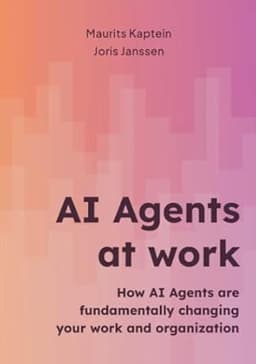
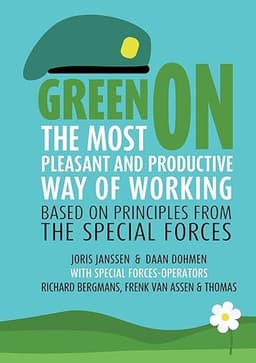
Several books later — one about how teams should actually work, one about how leaders should actually implement AI instead of just talking about it — I now run one of the more unlikely experiments in management: introducing holacracy inside a large Japanese healthcare corporate.